It was a landslide tie for each of Rodney’s possible series title! What to do… what to do…
Here’s what I did…
I used a new main title for the series (also suggested by a reader) and added a subtitle. Voila! Something for everybody… Thank you for your input.
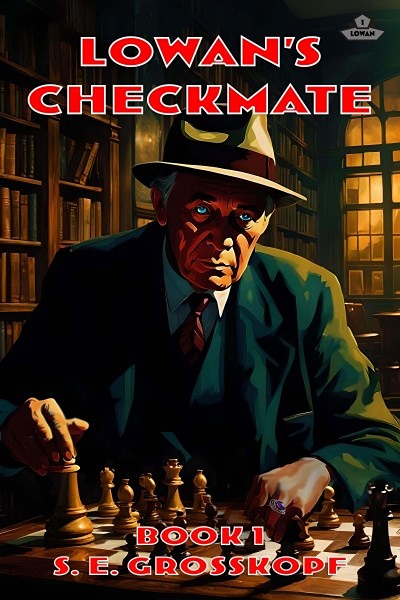
Here’s Rodney Mankin’s new business card:
The status of the series is:
The Prequel is chilling for its final edit.
Book 1 (*The Strange Case at Heaven’s Gate) draft is over halfway written.
Book 2 is playing hopscotch in my head. Is there a scenario you’d like to see Rodney and Sally take on? Email me here to share your ‘what if’ thoughts. And thank you!
*Here’s the tentative description of Book 1 The Strange Case at Heaven’s Gate:
What if long, deep scratches appeared on your town’s brand-new border wall. Night after night. All along the wall. They are crimson, like blood.
Along with the scratches come cries. Long, woeful cries. Eerie cries. Cries that could not be identified by any of the townspeople. Cries that could be human or animal.
At the same time, bodies appear on the outside of the wall directly behind the bloody scratches. They are all strangers to the townspeople of Heaven’s Gate. Each body has been mauled to death. Are they the marauders? Or are the marauders doing the mauling? Who or what is mangling them?
Have the townspeople successfully corralled themselves with a murderer that they now cannot escape from?
Rodney Mankin, Fur & Feather Whisperer and his assistant Sally the Loner has been called in to solve the mystery and stop the murders. Can they do it? Or will this be the one that puts the kibosh on Rodney’s gift?
The scenario seems to be changing as these characters evolve and take over the writing. Please don’t hold me to the exact storyline I’ve described above. Characters are an unruly lot.
On another note…
Joan Freed’s Ruby the Haunted eBook is due for a price increase in the next week or so.
With price increases and policy changes, I, too, have to make changes to my methods. One change will be this newsletter/blog delivery service. I hope the transition goes as smooth as warm butter on a hot knife. Please let me know if things go wonky on your end. I know only what I send, which may not be the same as you receive.
Did you know?
That you can download, read, and review oodles of eBooks and audiobooks at absolutely no cost to you (including mine)?
Yep. It’s true. Story Origin has been my goto for more than a year now.
Are you ready for a quick escape from your current reality?
Great! Click here to instantly download eBooks and audiobooks in your favorite genre – for free! Or step outside your genre line to find your next favorite author without opening your wallet even once. Score!
Is It Human or AI Written? How to Tell the Difference
The Rise of Artificial Intelligence in Content Creation
As we stroll through the digital age, we can’t help but notice that artificial intelligence (AI) has made its way into just about every corner of our lives—cue the robots taking over the world! Okay, maybe not quite yet, but AI’s ability to generate written content has changed the game in a big way.
From snappy social media posts to lengthy articles, AI is hurling content at us faster than a caffeinated copywriter on a deadline. This begs the question: how can we tell if a piece of text is crafted by a human hand or if it’s the work of a clever algorithm?
AI Technologies in Writing
AI writing technologies, like GPT-3 and its 50 or more successors have become remarkably adept at mimicking human writing styles. They analyze massive datasets, learning from the patterns of words and phrases.
Essentially, these algorithms are like an overly enthusiastic intern who’s read everything on the internet and is now trying to write a novel in a weekend. While this might sound a bit sci-fi, these AI tools are capable of generating coherent articles, emails, and even poetry. Yes, we’re living in a world where robots might send you a love letter!
But fear not! They have limitations.
Distinguishing Between Human and AI Content
Understanding the difference between human and AI-generated content isn’t just for bragging rights at your next dinner party (though it definitely should be). It has significant implications for authenticity, trust, and quality in content consumption. In a world rife with misinformation, being able to spot the difference can help us separate genuine insights from generic gibberish. Plus, it’ll save us from getting invested in a robot’s heartbreaking love story that was never even real. Spoiler alert: it didn’t end well for the AI.
Characteristics of Human-Written Content
Now that we’ve set the scene, let’s delve into what makes human writing uniquely human. Spoiler alert: it’s not just a penchant for overthinking every little thing and procrastinating until the last minute. AI will never master that frustration.
Emotional Depth and Personal Experience
One characteristic of human-written content is its emotional depth. Humans pour their hearts into their writing—fear, joy, excitement, and even the occasional existential dread seep through our words. We draw from personal experiences, weaving tales that resonate on a deeper level. AI, on the other hand, often struggles to replicate that human touch. Want to read about heartbreak from a bot? Good luck finding empathy in code!
Unique Voice and Writing Style
Every human has a unique voice and writing style—it’s like our personal fingerprint, but way less messy. Whether it’s a whimsical tone filled with puns or a straightforward, no-nonsense approach, these styles reflect individuality. AI can mimic styles, but often it fails to capture the quirks and nuances that make writing truly engaging. If a piece feels more like a bland recipe than a heartfelt blog post, you might be dealing with a robot in disguise.
Contextual Relevance and Nuance
Humans are fabulous at picking up on context and nuance. We understand subtext, cultural references, and even that cheeky wink in a conversation. AI can analyze context up to a point, but it often misses the mark on subtlety. If something feels a bit off, like a joke that just doesn’t land, it’s possible an AI generated it, completely oblivious to the social cues that make it funny in the first place. But don’t tell that to the jokester…
Key Indicators of AI-Generated Text
So, how do we spot that sneaky bot pretending to be a poet? Here are some telltale signs that indicate a piece of text may have been assembled by an AI.
Redundancy and Lack of Depth
AI-generated text can sometimes feel like that one friend who tells the same story at every gathering. You know the one—there’s a limited array of vocabulary and a tendency to fall into repetitive patterns. There’s only so much “synergy” and “innovative solutions” one can handle before reaching for the nearest exit. If you notice a piece going in circles without adding depth, it’s likely that AI is the ghostwriter behind it.
Overly Formal or Generic Language
If a piece of text sounds like it was born from a corporate handbook, chances are it wasn’t written by someone sipping a latte at a coffee shop. AI tends to lean toward overly formal or generic language, steering clear of the colorful expressions and slang that make human communication so delightful. If you find yourself yawning at the vocabulary, it might just be a digital doppelgänger at work.
Inconsistencies in Tone and Style
Ever read something that felt like it had multiple personalities? AI sometimes struggles with maintaining a consistent tone or style throughout a piece. One paragraph may sound like Shakespeare, and the next like an over-caffeinated teenager texting their best friend. If you find yourself confused about whether the writer is passionate, simply bored, or if it feels like you’re reading a work of fiction with a variety of characters, you might be facing an AI-generated piece.
Tools and Techniques for Differentiating Between Human and AI Writing
Alright, fellow detectives! It’s time to roll up our sleeves and get into the nitty-gritty of distinguishing between human and AI writing. Fear not—there are tools and techniques to help us in this modern-day Sherlock Holmes mission.
Does it Take AI to Ferret Out AI?
Welcome to the land of technology! Various automated tools have cropped up to aid our quest. From OpenAI’s own classifiers to the likes of Copyscape, these tools analyze text patterns and flag potential AI-generated content. While they’re not foolproof (who knew robots could be sneaky?), they serve as a solid first step in your investigative arsenal.
Manual Analysis
Nothing beats the good old-fashioned human touch! Engaging in manual analysis by closely reading the content can reveal a lot. Look for those emotional depths, unique voices, and contextual nuances we discussed earlier. Grab a cup of coffee (or tea, we don’t judge), settle in, and give the piece a heartfelt reading. You might just uncover the truth!
In Conclusion
While AI is an impressive tool in content creation, it’s essential to remain discerning and educated. By recognizing the characteristics of human writing and utilizing effective techniques (like an AI app), to spot AI-generated content, we can navigate the digital landscape with confidence—and maybe even a little bit of sass!
Think of it this way…
The current status and ingenuity of AI (Artificial Intelligence, in case you missed the memo), may as well be the centerpiece on your dinner table. Don’t worry. It can take all the verbal jabs you can throw at it and never run away crying.
AI and This Writer
Rest assured that this writer takes advantage of every time-saving, brainstorming AI tool she can find… but never allows the tool to write the book; launch the book; or control the business of being an author. All of the accolades and boo-boos are hers to bear.
But please don’t park me on your dinner party table as a centerpiece! I will run away crying if the verbal jabs are too much. However, you are encouraged to display your collection of Provocative, Fun, Family-Friendly Alexie Linn books as a centerpiece.
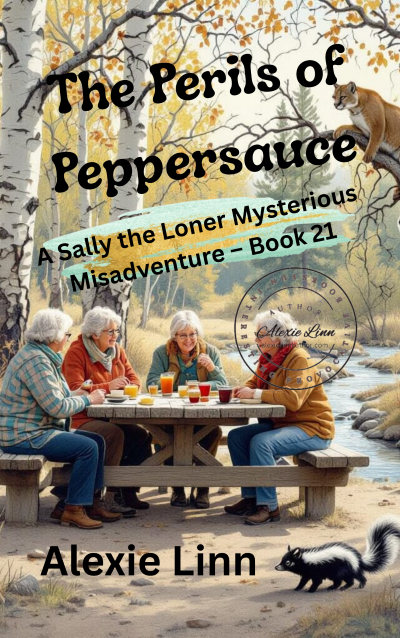
Here’s a brand-new Sally the Loner Mysterious Misadventure (Book 21) for your armchair roller coaster ride pleasure.
Sally teaches an off-grid living class at Peppersauce Campground north of Tucson, AZ. It’s monsoon season. Javelinas, Scorpions, a black bear and a wounded mountain lion join the class without an invite.
After the gully-washer barreled in like an arena full of charging bulls, the road is washed out. They are forced to shelter in place, bodies and all, until the road can be opened. Some try to escape over the top of Mt. Lemmon but a forest fire has closed the road.
Sally, Rodney the mankin, and niece Joany must uncover the killer before they all become victims.
So, what were the true take-aways from the off-grid prep class?
The eBook is flying into the market at a grab it now price for a limited time; although it’s also available as a large print paperback. The audiobook will be along as soon as voice actor, Schann Stewart, can fit ‘The Perils of Peppersauce’ into her do-it-now schedule. But rest assured that while AI may have dipped its little toe into the building of the story, AI did not write it and will not be telling it.
Ah, Shiny Object Syndrome (SOS)—the unwavering attraction to anything that glimmers with promise! For readers, it manifests as an insatiable urge to jump from one book, article, or blog post to another, often leaving incomplete plots and abandoned bookmarks in its wake. It’s the reading equivalent of that friend who can’t commit to a restaurant and ends up at five different places in one night. You know who I’m talking about!
The Origins
The term “Shiny Object Syndrome” originally sprouted in the business world, where it referred to entrepreneurs who couldn’t resist new ventures and distractions that seemed more exciting than what they were currently working on. Think of it as a raccoon wearing a business suit, distracted by anything sparkly. Over time, this concept sashayed into the reading arena, capturing those who find it hard to stick with one book long enough to see the ending.
How It Relates to Reading Habits
So how does SOS waltz into our reading habits? It’s all about that dopamine hit we get when we discover something new. With a world of information at our fingertips—thanks to the internet, e-readers, and endless book recommendations—many readers find themselves mingling with multiple texts at once. The layout of social media doesn’t aid our plight, either; a single swipe can reveal a tantalizing excerpt from yet another unread masterpiece, further pulling us down the rabbit hole of shiny distractions!
Symptoms of Shiny Object Syndrome in Readers
Frequent Changes in Reading Material
If you find yourself hopping from fiction to self-help to graphic novels quicker than a kid on a sugar rush, you might be grappling with SOS. It’s not that you’re averse to finishing books; it’s just that the next book on your list glimmers a little brighter.
Difficulty Completing Books or Articles
Another hallmark of this affliction? The infamous “I’ll finish it later” mentality. You might find books gathering dust on your nightstand, while you jump at the next highly recommended read like it’s a hot-off-the-press celebrity gossip.
Overwhelmed by Too Many Choices
Ever stare at your bookshelf or digital library and feel a sense of impending doom at having to choose your next read? Paralyzed by possibilities, you might end up scrolling endless lists of “must-reads” while neglecting that one book you’ve been meaning to tackle. Welcome to the shiny object buffet, where choices abound but decisions flee!
The Psychological Impact of Constant Distraction
Effects on Comprehension and Retention
When SOS strikes, comprehension often takes a nosedive. Jumping between texts might leave you with a pile of half-digested information, making it tough to recall what you even read a few pages ago. It’s like participating in a trivia quiz after a three-day binge of multitasking—good luck remembering any of the answers!
Emotional Toll of Fragmented Attention
The stress of juggling too many reading projects can lead to anxiety and frustration. You might start to feel like a cat chasing laser pointers, dashing in circles but never quite catching a satisfying finish. It’s a recipe for reading burnout, so don’t be surprised if you find yourself sulking over that ever-growing “to-read” list.
Impact on Critical Thinking Skills
SOS steals time for reflection, which is essential for critical thinking. Instead of delving deep into a single narrative or argument, your brain is too busy hopping around to synthesize ideas. This fragmented approach can dull your analytical skills, leaving you grasping for coherence in an ocean of information.
Strategies to Combat Shiny Object Syndrome
Set Reading Goals and Priorities
Start by crafting clear reading goals. Whether it’s to tackle five classics a year or simply to finish three books a month, having a target will ground you. Prioritize your reading list, and don’t be afraid to put that shiny new release on hold until you’ve conquered the current book on your plate.
Establish a Reading Routine
Consider establishing a daily reading routine that anchors your reading habits. Carve out dedicated time to read each day—preferably in a cozy nook where distractions are minimal. That way, you’ll be less likely to swap your book for the latest viral video.
Utilize Tools for Focused Reading
In this digital age, helpful tools abound! You might find services like reading apps or focus timers beneficial. For instance, set a timer for 25 minutes of concentrated reading, followed by a 5-minute break—often referred to as the Pomodoro Technique. It’s like training for your reading endurance, and who doesn’t want to be a marathon reader? Is there a prize for a reading marathon?
So, whether you’re a casual page-turner or an aspiring literary marathoner, keeping SOS at bay will enhance your reading experience. After all, the joys of reading lie not just in the stories we chase but in the ones we actually finish.
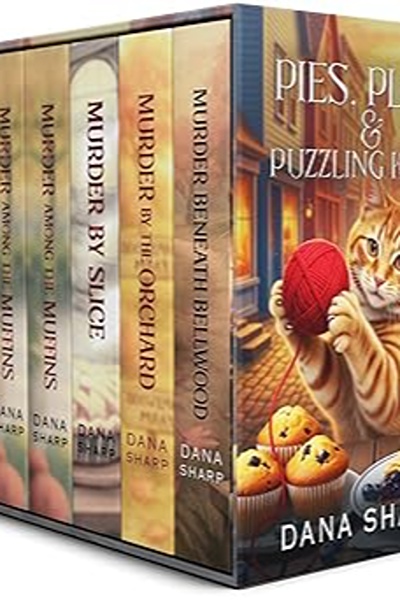
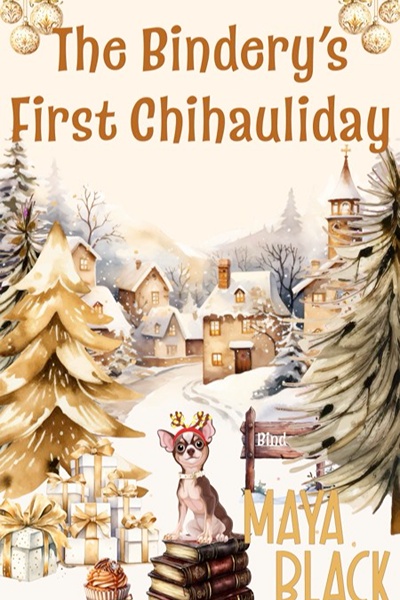
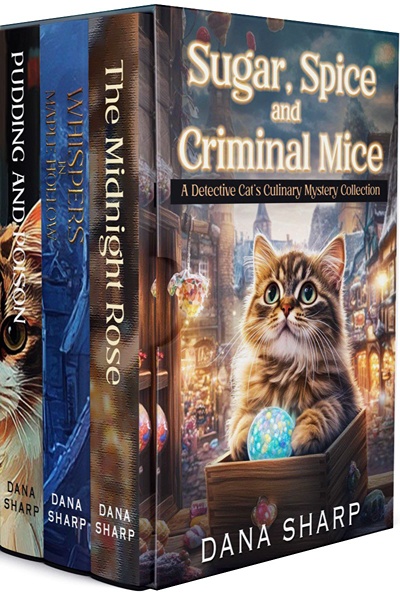
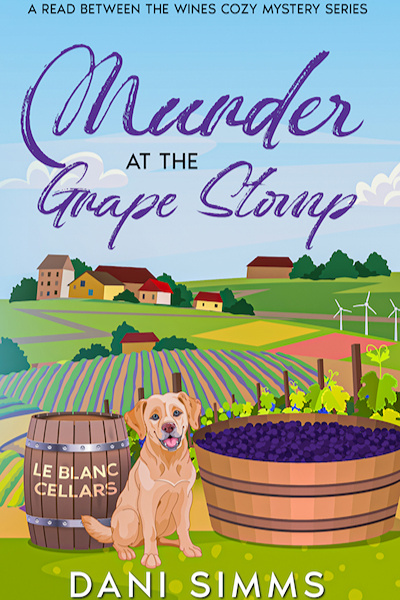
And, lest your To-Be-Read list become less daunting, here’s three get them now before their almost giveaway prices are gone titles…
50% off Audiobook!
Ends Today! Now is your best chance to find my entire ebook collection for a promotional price at @Smashwords as part of their Annual Summer/Winter Sale! Find my books and many more
What does the phrase “everything changes but it all stays the same” mean?
The phrase suggests that while external circumstances and environments may undergo significant transformation, there are underlying principles, values, or aspects of life that remain constant. It reflects the duality of change and stability in human experience.
Ah, change—everyone’s favorite word when it comes to discussing everything from the weather to relationships – or anything we don’t like. Ironically, while we’re all busy trying to embrace the new, there’s a stubborn undercurrent of constancy that keeps pulling us back into familiar waters. It’s like trying to stand still in a river; even if you refuse to take a step, the current will keep rushing around you. So, what gives?
Change and Constancy
Change is the colorful, chaotic cousin of life—ever present, often unwelcome, and occasionally exhilarating. It’s the process of making something different, whether that’s in our personal lives or the broader world. On the flip side, constancy is the reliable friend who shows up with pizza at 2 AM; it represents stability, familiarity, and the things that don’t waver, despite the shifting sands around them.
In today’s fast-paced, tech-driven society, change seems to be occurring at breakneck speed. New apps shoot to fame overnight, fashion trends come and go like the seasons, and social norms evolve faster than you can say “vintage.” However, amidst all this whirlwind of transformation, certain constants persist—a yearning for human connection, a desire for meaning, and a need for routine.
Key Milestones
Looking back at history, we can see some significant turning points that have altered the course of human existence. From the invention of the wheel to the Industrial Revolution, and then to the digital age, each milestone has sparked waves of change. Yet, despite these seismic shifts, humanity has retained core elements—our need for community, storytelling, and innovation. Think of history as a roller coaster: exhilarating drops and spectacular loops, but you still find yourself back in the same car with the same friends by the end of the ride.
The Constant
Ironically, while we often resist change, it is one of life’s few certainties. Every sunrise brings a new day, every season brings its own rhythm, and with each passing moment, we are constantly evolving—mentally, emotionally, and physically. Embracing change is not just about survival; it’s about thriving in an ever-shifting universe. It’s a comforting irony: while everything changes, the act of change itself remains our true constant, nudging us along the path of growth and discovery.
Media and Communication
The media landscape has shifted dramatically over the past few decades. Gone are the days of waiting for the evening news; now we scroll through social media feeds for updates, and podcasts have become the new radio. Yet, despite these rapid changes in how we consume information, the core principles of storytelling and information dissemination remain unchanged. People still crave connection, drama, and insights; it’s the medium that evolves while the essence remains the same.
The Retail Landscape
Retail is another prime example of an industry undergoing metamorphosis. Brick-and-mortar stores once ruled the world, but online shopping has swooped in like a superhero, changing the retail game forever. However, at the heart of this transformation, the reasons people shop remain constant—whether for pleasure, necessity, or the thrill of finding a bargain. We may browse online, but the excitement of a great buy transcends platforms. Retail may change, but the thrill of the hunt is here to stay.
In a world where everything appears to be in flux, recognizing the constants can help us navigate life’s changes with a sense of comfort and curiosity. Embrace the chaos; after all, it’s just part of the great dance we all participate in!
Today’s Plot Twist
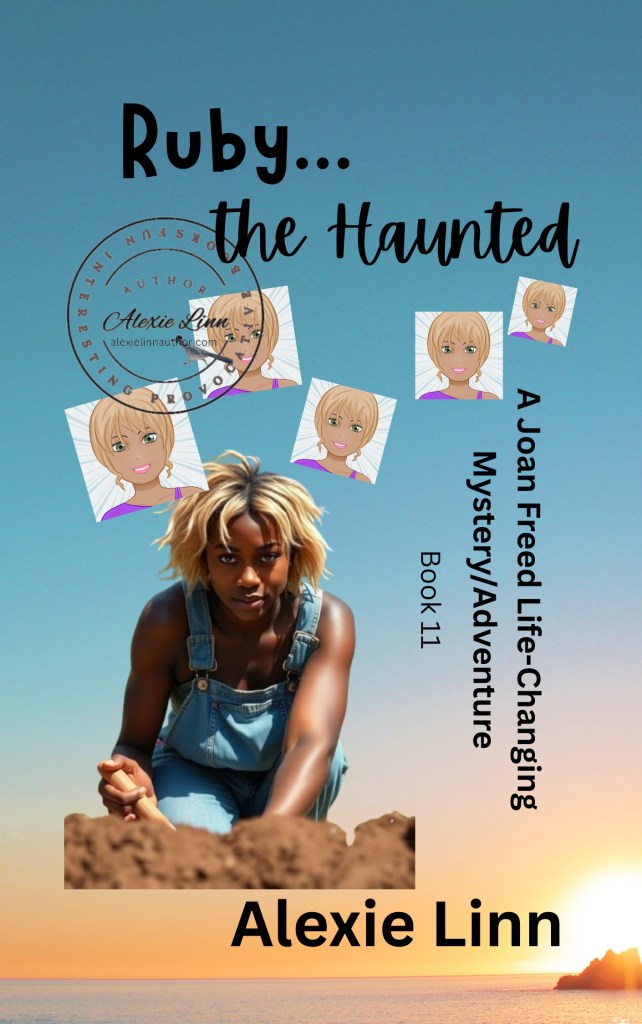
In my own effort to adapt but remain the same, I’ve changed two distinct attention getters with this book… Ruby, the Haunted. I changed the cover to pique you, the hunter’s, curiosity and I’ve lowered the price temporarily to excite the bargain hunter in you. I also made it available in Kindle Unlimited for all you wonderful routine page turners. And yes, I do ask something from you. (It’s a constant, right?) Here it comes… at minimum, a positive star rating but a short review is welcome, too.
It’s an interesting and entertaining story. I know. I wrote it. Here’s what it’s about:
‘What would you do if a spooky young woman is creeping out all your prospective buyers, spiriting them away? But her only sin is her determination to satisfy the spirit that’s jerking her around. Her eerie looks make matters worse.
Big, beautiful, flaming red-haired Madeline, the ranch sales agent, was faced with Ruby, the spooky young woman. Ruby is going to cost Madeline her job if she doesn’t get her removed. Here’s what Madeline did…
She texted Joan, the rebel life coach, with ‘HELP!’. ‘Pack your mightiest ghost-busting gear and COME NOW!’
Joan, Jenny (Joan’s sometimes sidekick who doesn’t go anywhere without her six-shooter), and Patches (the rescued polka-dot chihuahua), high-tail it to Deming, New Mexico just in time. That is, just in time to sharpen their cloak-and-dagger skills, attempt to outsmart the political mob world, and be faced with Jenny’s old nemesis once again.‘
Sound interesting? It is. Here’s the new cover – what do you think?
Mystery, Suspense, or Thriller? What’s the Difference?
Ah, the literary world—the only place where you can solve crimes, save the world, or get your heart racing without moving from your couch. But as you navigate through the shelves of your local bookstore or scroll through your e-reader, you might find yourself wondering: “What’s the difference between a mystery, a suspense, and a thriller?” Fear not, dear reader! We’re about to embark on a genre-bending journey that’ll clarify these three often-intertwined categories.
The Evolution of Literary Genres
Genres are like fashion trends—sometimes they overlap, and sometimes they go out of style faster than you can say “what’s the difference?” Over the years, as readers’ tastes have shifted and evolved, so too have the genres of mystery, suspense, and thriller. Each has its roots in storytelling tradition, but they’ve morphed into distinct forms that cater to various appetites for intrigue and excitement. With the rise of crime dramas in the 19th century and the psychological thrillers of the 20th, these genres have crossed paths, creating a rich tapestry of tales that often play by their own set of rules.
Why Genre Distinctions Matter
Understanding the differences between these genres is akin to knowing what dish to order at a fancy restaurant. You wouldn’t want a mystery stew when you were craving a thrill-filled rollercoaster ride, right? Each genre evokes different emotional responses and caters to different reader preferences. Knowing what you’re in for can enhance your reading experience. Trust me, diving into a cozy whodunit when you were in the mood for a heart-pounding chase might leave you a tad disappointed.
Defining Characteristics of Mystery
Mystery is like that friend who always arrives late but manages to have the juiciest gossip. It’s all about the unraveling of secrets, and who doesn’t love a good puzzle?
In a mystery, the plot typically revolves around a crime or an enigma that needs solving. Clues are sprinkled throughout the narrative like breadcrumbs leading to a tantalizing revelation. Readers are encouraged to channel their inner Sherlock Holmes, piecing together the evidence while trying to figure out “who done it?” before the protagonist does. It’s a delightful game of wits.
Ah, the detective—the quintessential hero (or antihero) of every mystery. From the sharp-witted Miss Marple to the brooding Philip Marlowe, detectives are as diverse as they are captivating. They often grapple with personal demons while pursuing justice, making them relatable and engaging. Plus, they usually have fantastic one-liners to boot!
Types of Mysteries: Cozy vs. Hardboiled
Mysteries come in flavors like ice cream—each with its own distinct taste. Cozy mysteries are light, typically set in charming locales, where the most serious crime might involve an adorable cat with a penchant for mischief. On the other hand, hardboiled mysteries are grittier, often featuring tough protagonists who navigate dark streets and murky morals. The choice is yours; just remember to choose wisely, lest you find yourself in a cozy corner when you were seeking grit.
Key Elements of Suspense
Suspense is the genre that keeps you on the edge of your seat, so much so that you might forget how to breathe properly. It thrives on tension and anticipation, making it an electrifying experience.
In the suspense world, anticipation is everything. It’s all about building a sense of impending doom, making readers glance over their shoulders as they turn each page. Authors wield techniques like foreshadowing and cliffhangers like a magician with a wand, ensuring you’ll be hooked and gasping as you wait for the next twist.
Suspense thrives on characters. We care about their outcomes, often fearing for their lives—or at least their sanity. The more deeply we’re entrenched in their circumstances, the more painful it is to endure the unrelenting build-up. Giant cliffhangers? Yes, please! We’re all here for the emotional rollercoaster that keeps our hearts racing.
The Thriller
Thrillers are the adrenaline junkies of the literary world—fast-paced, edge-of-your-seat page-turners that’ll have you questioning your life choices (like reading them after dark with the curtains open).
In a thriller, the stakes are impossibly high—think global catastrophes, hostage situations, or a race against time to save the day. The tension can leave you breathless, praying for a resolution while simultaneously dreading what lies ahead.
Plot twists in thrillers come at you like a high-speed train—unexpected and often devastating. You think you’ve got it all figured out, only to discover that you’re as lost as a tourist in a foreign country. Fast pacing ensures that there’s never a dull moment, which is perfect for those who thrive on excitement (and snacks to fuel the reading frenzy).
Thrillers often delve into the psychological realm, exploring the intricacies of the human mind. Characters may be driven by revenge, obsession, or deep-seated fears, adding layers to the narrative that keep readers guessing. It’s this exploration of the psyche that adds richness to the pulse-pounding action, making you question your own sanity as you root for—or against—your characters.
And voilà!
With this insight into the world of mystery, suspense, and thriller, you’re now armed with enough knowledge to navigate your next literary adventure. Happy reading.
And speaking of reading – or listening in this case…
There’s still time to grab The Price of Luck; a Pawsome Conundrum audiobook at the ridiculously low price of $2.50! As told by that woman of many voices, Schann Stewart.
Who doesn’t wish they had the same problem that Sally has? Finding a winning lottery ticket by the side of the road…
What makes a Cozy Mystery Cozy? A Special Edition.
Cozy mysteries have carved out a unique niche in the literary world, captivating readers with their blend of intrigue, charm, and relatable characters. Unlike traditional crime novels that often delve into darker themes and graphic violence, cozy mysteries provide a lighthearted escape where the focus is on the puzzle rather than the peril. These stories invite readers to solve the mystery alongside the protagonist.
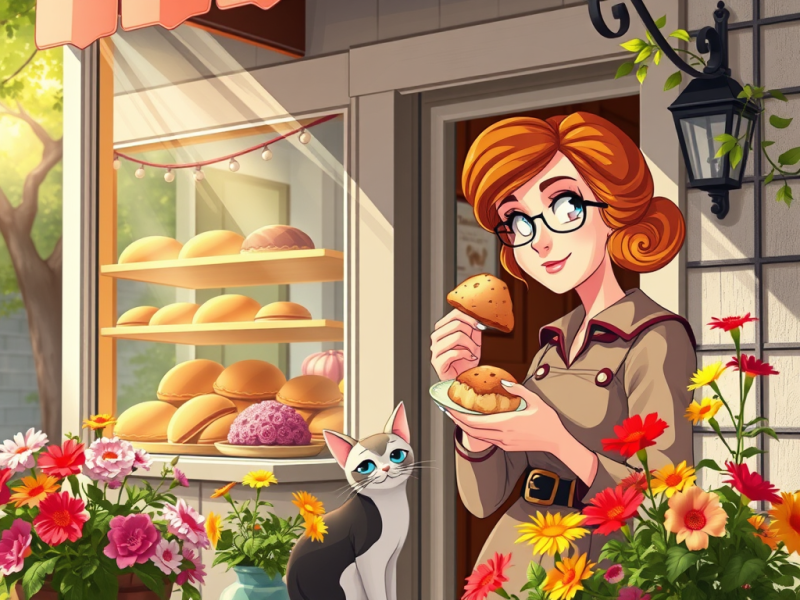
What Is a Cozy Mystery? Picture it: a quaint little town, perhaps with a bakery that sells pastries so delicious they could solve any problem, and an amateur sleuth who stumbles upon a murder while out on a routine errand for fresh scones. That, dear reader, is the essence of a cozy mystery! These lighthearted whodunits feature a puzzle to be solved, but they do it without the graphic violence, gritty detail, or dark themes of other mystery genres. Instead, they offer a comforting blend of suspense and charm, inviting readers into a world where the most dangerous thing is deciding how many cookies to eat while you read.
The Evolution of the Genre Cozy mysteries have come a long way since Agatha Christie introduced us to Miss Marple. Once the domain of genteel British village life, this genre has evolved to include everything from small-town cafés to bustling urban flower shops. From culinary capers to cat-centric sleuthing, the genre has embraced modernity while still clinging to its soft, fuzzy blanket of cozy comfort.
Crime without Gore In a cozy mystery, crime is like a gentle rain—soft, soothing, and without too much mess. Blood, guts, and graphic violence are nowhere to be found. Instead, it’s all about the puzzle. The victim might be found in the town’s beloved library, and the clues are often as delightful as the characters themselves. Think of it as the “mystery-lite” version of thrillers, where the only thing that might keep you up at night is wondering if the protagonist will bake enough cookies for the town bake-off.
Amateur Sleuths vs. Professional Detectives Why hire a detective when your friendly neighborhood librarian has a nose for sniffing out trouble? Cozy mysteries often feature amateur sleuths—everyday heroes who tackle crime in their free time, armed with nothing but their wit (and maybe a trusty sidekick, like a cat named Spaghettio). The characters are relatable, juggling their own lives while solving baffling crimes in their community. Compared to professional detectives, they bring a charming, bumbling energy that turns sleuthing into an adventure of hilarity and heart.
Charming Locations and Unique Settings The locations in cozy mysteries are like characters in their own right. Whether it’s a desert hideaway brimming with secrets or a tea shop where the gossip flows as freely as the Earl Grey, these settings create the perfect backdrop for our amateur sleuths. Readers can almost taste the scones and smell the flowers. By immersing readers in picturesque locales, cozy mysteries capture the imagination and make for an irresistible escape from reality—one cup of tea or coffee at a time.
Relatable Characters and Their Quirks The protagonists of cozy mysteries are the kind of people you’d want as your next-door neighbors. They could be anything from an introverted baker to an 87-year-old loner who lives off-grid in a desert igloo, each carrying their quirky traits and delightful imperfections. It’s the charm, the genuine nature, and those little quirks—think overly obsessive about organizing recipes—that make these characters shine.
Personal Stakes and Motivations What drives our cozy sleuths? Sometimes it’s the love of a beloved local spot, a desire to protect their tight-knit community, or the simple motivation of curiosity. Personal stakes elevate the stakes of the mystery, making everything feel just a tiny bit more important. After all, what’s cozier than rooting for a character who’s trying to keep their small slice of heaven intact?
Supporting Characters and Their Impact In cozy mysteries, it’s not just the protagonist who carries the narrative; the supporting characters are the secret sauce. Think of them as your favorite side dishes: they might not be the main course, but they sure elevate the meal. From quirky shopkeepers to nosy neighbors, each character adds flavor, depth, and plenty of potential suspects. These relationships develop throughout the story, showcasing camaraderie, conflict, and sometimes a bit of romance. Readers come for the whodunit but stay for the bonds that make them feel right at home.
Balanced Tension with Humor Cozy mysteries often tiptoe along the tightrope of suspense and laughter, creating the perfect blend of intrigue. While there may be a murder (or two!), the overall vibe is anything but dark. Authors sprinkle humor throughout to defuse tension and keep readers engaged. Imagine a protagonist stumbling over the crime scene while trying to juggle a cupcake or engaging in witty banter with the grumpy local detective. This balance keeps the story light-hearted, ensuring that readers can enjoy solving puzzles without feeling weighed down by grim realities.
Wit and Playfulness in Dialogue The dialogues in cozy mysteries are like the icing on the cake—sweet, delightful, and sometimes a little bit zany. A cozy mystery thrives on this engaging dialogue, making it as much about the journey as the destination.
A Compelling Mystery The heart of any cozy mystery lies in its plot, and crafting that perfect puzzle is an art form. Authors cleverly weave together clues, suspects, and motives, leaving readers eager to piece together the mystery before the big reveal. Unlike thrillers that may rely on shock value, cozy mysteries focus on clever deduction and relatable characters. The joy comes from following the protagonist’s journey as they sift through evidence, chase leads, and navigate through the delightful chaos of their lives—all while keeping their cats fed and coffee cups full.
The Art of Misdirection When it comes to cozy mysteries, nothing is quite as satisfying as a well-timed twist. Enter the red herring—those tantalizing clues that lead readers down the wrong path. Skillfully placed, these distractions keep readers guessing and engaged, making the final revelation even more rewarding. Just when you think you’ve cracked the case, another layer of intrigue is introduced, sending you back to the drawing board. This clever misdirection keeps the plot bubbling along, ensuring each page turns like clockwork.
Why Readers Are Drawn to the Genre So why do cozy mysteries hold such an enduring appeal? Perhaps it’s the comforting predictability of the genre—after all, you know there will be a charming sleuth, a tight-knit community, and a satisfyingly solved mystery by the end. Readers find solace in the lighthearted tone, relatable characters, and the opportunity to engage their sleuthing skills without the weight of heavier themes. It’s like a warm blanket on a chilly night: inviting, familiar, and just the right amount of enchanting.
The Future of Cozy Mysteries As we look toward the future, the cozy mystery genre remains a delightful and ever-evolving landscape. With fresh perspectives and innovative plots, authors are continuing to keep things cozy while adding new twists. Whether it’s new settings, diverse characters, or unconventional sleuths, there’s room for cozy mysteries to grow while still holding true to their charm. So, cozy up with your favorite blanket, fill up your mug, and enjoy the intriguing world of cozy mysteries; the next adventure is just waiting to unfold!
In conclusion, cozy mysteries offer a delightful blend of mystery and warmth, drawing readers into charming settings and endearing characters. With their lighthearted tone, engaging puzzles, and emphasis on community, these stories provide a comforting escape that invites readers to embrace the journey of solving a mystery alongside the protagonist. As the genre continues to evolve, its ability to captivate and entertain ensures that cozy mysteries will remain a beloved choice for readers seeking a blend of intrigue and comfort for years to come.
And speaking of cozies that beg to be enjoyed, here’s one that’s on sale for the next few days:
What would you do if a spooky young woman is creeping out all your prospective buyers, spiriting them away? But her only sin is her determination to satisfy the spirit that’s jerking her around.
Big, beautiful, flaming red-haired Madeline, the ranch sales agent, was faced with Ruby, the spooky young woman. Ruby is going to cost Madeline her job if she doesn’t get her removed. Here’s what Madeline did…
She texted Joan, the rebel life coach, with ‘HELP!’. ‘Pack your mightiest ghost-busting gear and COME NOW!’
Joan, Jenny (Joan’s sometimes sidekick who doesn’t go anywhere without her six-shooter), and Patches (the rescued polka-dot chihuahua), high-tail it to Deming, New Mexico just in time. That is, just in time to sharpen their cloak-and-dagger skills, attempt to outsmart the political mob world, and be faced with Jenny’s old nemesis once again.
Whose body is it this time? There’s so many to choose from…
Can Joan and Jenny pull this one off? Or will the bad guys win? Or both?
If you like Jessica Fletcher, Columbo, and Hetty Wainthrop, you’ll love Ruby, The Haunted — this Joan Freed Life-Changing Mystery/Adventure.
Finding inspiration is a powerful force that drives creativity, motivation, and personal growth. It can come from various sources, both internal and external, and can manifest in different forms. Understanding what inspires you and how to harness that inspiration is key to leading a fulfilling and purposeful life.
Definition of Inspiration
Inspiration is like that “aha” moment when a light bulb appears over your head. It’s that spark of motivation that gets you excited and ready to take on the world, or at least your next project.
The Psychology of Inspiration
Psychologically speaking, inspiration is like a mental kick in the pants, pushing you to think outside the box and see things in a new light. It’s that burst of creativity that makes you feel like you can conquer anything.
But when inspiration sags…
When my own inspiration sags, I turn to those who inspired those quirky characters that reside in every one of my books… Here’s a picture that pops into my head first…
From Joan Freed to Sally to Mary Linn and beyond, you’ll find snippets of their personalities and words of wisdom I grew up with. As a matter of fact, these ladies are the direct inspiration for Mama’s Morsels of Home Cookbook…
Homemade Noodles came from Grandma. She (I helped) often made them on Sale Day at the auctionhouse. I think because they cooked fast when the grandpa’s last crony had gone home. Hearty One-Pot Dinner was Mama’s answer to me making supper when she was working late. Mama’s Ginger Creams (using 8 cups of flour) was the answer to snacks for 6 rambunctious children to satisfy… and long-term snacking for this young bride’s first journey to Alaska.
Where inspiration comes from…
Inspiration comes from surprising sources. It might be a picture, an achievement, a song, a sunrise, or even a positive word. But at the end of the day, the most powerful source of inspiration is within yourself. It’s that inner fire that drives you to pursue your passions, overcome obstacles, and keep pushing forward, no matter what life throws your way.
So go ahead, tap into that well of inspiration inside you and watch yourself shine. I’ll join you in just a minute… and I’d love to learn what inspires you. Click my email link below and tell me…
But if momentary escapes is your current need for inspiration…
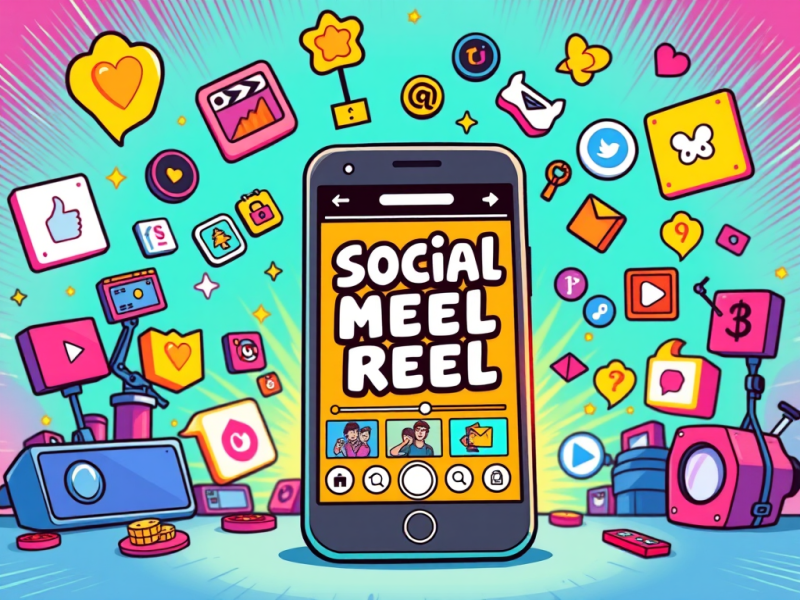
Are you itching to get in on the social media Reels craze but don’t know how to create and upload a Reel?
You’re not alone. I had the same desire and problem… but not anymore.
In case you missed the memo… A Reel is a short video of fun stuff. The sky is the limit for content. Some are hilarious; others not so much. It’s easy to click to the next one if you’re not pleased with what you see.
Reels are a specific size (*1080 pixels wide x 1920 pixels tall). It’s short in length… from .03 seconds to a maximum 90 seconds. Mine are about 30 to 45 seconds long. I use them to give viewers a quick break and to introduce my books.
The majority of Reels are vertical clips from cellphones. But not all. Mine are created with help from a couple of apps I’ve invested in.
Here’s a Reel I recently uploaded:
How did I create it? I’ll give you the nutshell version…
Think of a pain point to address (Like getting unstuck…)
Imagine 3-5 pictures showing a viewer how to maneuver through and out of the pain point.
Collect the pictures (I use Night Café Studio to create the images) into your reels file and 2 or 3 words for each image.
Next, I open up Doodly to create the reel. (Doodly is a cloud-based video editing program that lets users create whiteboard animations and doodle videos. I highly recommend and love Doodly. It’s easy to use and fun.)
Set Doodly or your chosen animation program to the custom size of 1080 px wide x 1920 px tall. To keep the hand behind the images, I set the board to glass.
Upload the images into Doodly as props. Place them on the board in the order you want them to draw onto the board.
Add suitable music… remember to lower the volume on the music to about 12 on the scale so you don’t blast your viewer in the face.
After you’ve previewed and adjusted for perfection… Export your reel in webm (for YouTube) and also mp4 (for Facebook and Instagram)
Voila! Upload it to your social media platforms.
That’s it! Have fun!
I’ll leave you with this plethora of books to peruse, download and read. Until next time…
Do you feel your eyes glazing over and your ears muffling when Metadata and Keywords enter the picture? I do. Excuse me while I rinse my eyes and clean my ears to even write this article.
I’m back and determined to conquer the two most dreaded words in my world of publishing fun and inspirational books. Are you with me?
First and foremost, there’s attitude adjustment. They’re just words, for crying out loud. Scribbles on paper. Are they really bigger than us?
No! They are not!
Think of metadata and keywords as the magical spells that guide readers. These are the two elements that lead readers to your books in a gargantuan digital library.
But you must craft them thoughtfully. With the seeker in mind.
Choose relevant keywords to make your book discoverable in our ginormous digital jungle. Remember, you want to be the one shiny object that catches the reader’s eye amidst the sea of options.
How do you become the shiny object?
Enter metadata, keywords, and search engines.
It’s search engines like Google, Bing, Duck-Duck, etc. that dig deep to locate and present readers with on-point books they are seeking. The trick is to shrink the list.
For instance… As a reader, I type ‘Cozy Mystery with Cats’ into the search engine. I get a list of a mere 6,790,000 entries that the writer has included ‘cozy’ ‘mystery’ and ‘cats’ in their keywords when they uploaded the book. Ugh!
Oh, the joy of options that search engines give…
But don’t let that deter you… You have a tidbit of control .
Here’s how.
When I type ‘Alexie Linn’ into a search engine I get a cool 1,430,000 results for this puny little writer. Really? And I thought I was invisible… And therein lies the problem.
Cyberspace is not your corner store. It’s aiming to please over 8 billion seekers of information 24/7. How does cyberspace know what, exactly, is one reader looking for? By sorting through gazillions of metadata and keywords provided by publishers. And algorithms.
What does this mean to the indie publisher?
It means that it’s totally up to the publisher to fork out the metadata and keywords. Search engines then yank documents (books and posts) containing these words out of cyberspace and offer them to the seeker.
To simplify…
Metadata is simply a plural noun that means ‘computing information that is held as a description of stored data.’ It’s information about information. A library catalog is metadata because it describes publications. My web address, alexielinnauthor.com, is metadata because it holds the key that describes Alexie Linn’s publications.
Clear as mud? Maybe not so much anymore. According to Ingram Spark, ‘Simply put, your book metadata is any data that describes your book—including title, subtitle, price, publication date, ISBN, and any …’ Metadata is a given. Not a guessing game.
Got it. Metadata is required for any uploaded book. That’s logical.
But what about keywords? And hashtags? When will it end?
Keywords are for Search Engine Optimization (SEO). Period. They are a significant word or phrase that describes a document. Cat is a broad keyword. My search engine pulled up over 6 million cozies with cats. But when I added Calico Cat, it narrowed my search to only 810,000 books. It zeroed in on the choices – bypassing a bunch!
So, if my book is about a calico cat, I should make calico cat a keyword or longer phrase to get my story 6 million times closer to being found. ‘Male calico cats’ cut the options to 756,000. About another 60,000 entries closer to discovery.
Do you see what’s happening? Keywords are what sets your book apart from the hordes. Make your keywords be the only brunette in a sea of blondes. Assuming the reader is looking for a brunette in their search…
Hashtags are the same, but completely different in their use. Not for this post.
If these two words are still making your brain ooze, I have a couple of key recommendations. One is ‘Amazon Keywords for Books’ by Dale Roberts. The book dives deeper but doesn’t drown you. I also own and am affiliated with Dave Chesson’s Publisher Rocket. Publisher Rocket is an shockingly quick and easy research tool for keywords, competition, categories and more. I have found that both of these tools are paramount to success and well worth the investment.
However, if your wallet is currently financially embarrassed, type ‘keywords for authors’ into any search engine. You will find oodles and oodles of free to read posts written on the topic.
But enough said for now about keywords and metadata. Let’s move on to this week’s much more exciting featured offer for only you valued readers of my little newsletter.
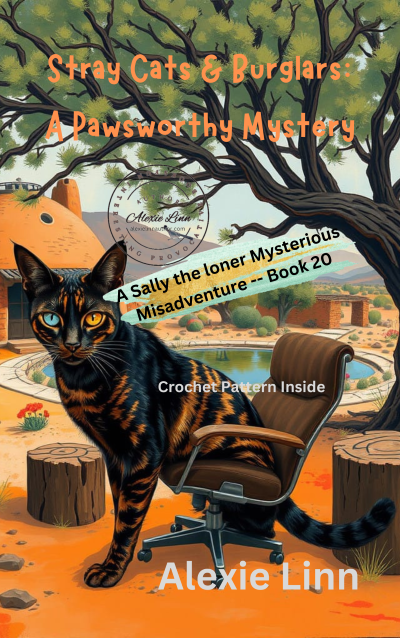
WooHoo! Book 20 of the Sally the Loner series has launched and is available today! The eBook is only 99¢ if you grab it through the button below.
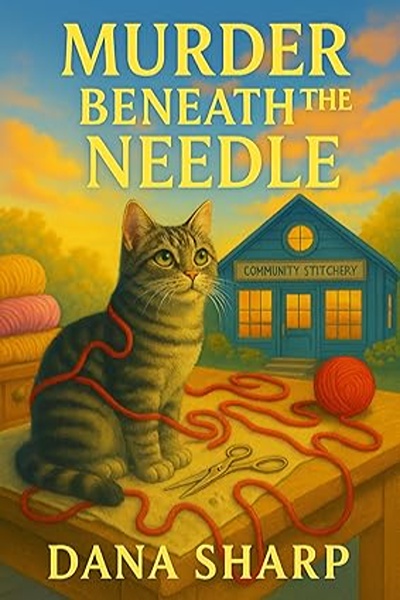
Here’s the cover…
What would you do if a pushy cat came scratching at your door? A rare male calico cat. Would you shoo him away? Invite him in? Or let him take over the place while you searched for his caregiver?
Better yet. What would Sally do?
Join Sally and Rodney on this wild ride of a rambunctious, bossy, cuddly stray cat that seems to know more than he’s saying. And is the source of chaotic upheaval on Sally’s compound; including sending Sally to jail.
Publishing wide is like being a social butterfly in the literary world. Instead of putting all your eggs in one basket, you spread them across different platforms like a savvy dabbler of words. It involves making your work available on various online bookstores, not just putting all your hopes on one exclusive platform.
Advantages of wide publishing
Advantages? Oh, there’s a few.
Think increased visibility and reach. You’re not limiting yourself to a single pond; you’re swimming in an ocean of readers. Plus, more control over pricing and promotions, and the sweet scent of independence.
Challenges of wide publishing
Of course, nothing great comes without its challenges.
Coordinating different platforms can feel like herding cats. Each one has its quirks, rules, and algorithms. Plus, building a loyal readership across multiple sites takes time and effort. But hey, nothing worth doing is ever easy, right?
Don’t put all your literary eggs on Amazon’s shelf. Spread them out!
Explore other platforms like Apple Books, Kobo, Barnes & Noble, Smashwords, and more. Cast a wide net to catch a wider audience. There’s a very easy way to do that… kind of a one-stop-shop if you will. I’ll tell you about it coming up.
Royalty structures vary
Navigating the world of royalty structures across different platforms can be like decoding a secret language. But understanding how you get paid for your work is crucial in maximizing your revenue streams when publishing wide. It’s like unlocking a treasure chest of earnings potential.
Platform-specific requirements
Different platforms often come with their own set of rules. These requirements can feel like juggling multiple balls at once. But take each platform step-by-step to successfully navigate the wide publishing landscape. It’s like being a ninja, agile and adaptable in the face of challenges.
Now to the nitty gritty simplicity of what this author does…
I publish on Amazon, D2D, and Google Play. That’s it. (With one exception – Direct from me, the author)
By uploading to these three platforms, my books are available online worldwide. Readers find my books at Barnes & Noble, Kobo, Apple, and about 25 others; including libraries.
Amazon handles eBooks, Large Print, and Audiobooks. (Except Mama’s Morsels of Home. It’s currently available only on Amazon and only in standard print.)
Google Play has only eBooks.
But D2D is the treasure chest. D2D distributes eBooks and standard print paperbacks to Barnes & Noble, Kobo, Apple, and more… including libraries.
In conclusion
Publishing wide offers readers and writers a world of opportunities. For writers, opportunities to expand their reach, connect with diverse audiences, and maximize their earning potential.
Cheers to a future filled with creativity, innovation, and wide-reaching impact.
Onward to this post’s featured escape opportunity.
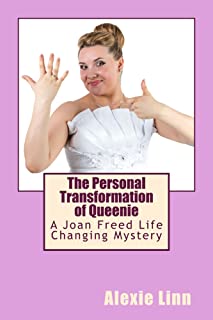
Here is Book 2 of the Joan Freed Life-Changing Mystery and Adventure Series.
Two women lay sprawled in front of my truck. They are very dead. Queenie sits still like a statue on the passenger side of my vintage Chevy pick-up. She looks like the circus fat lady, which she thinks she is. But she’s not laughing. I am on sabbatical in the Kaibab National Forest. I am feeding my own free spirit with life-changing time by myself. This time is much needed and anticipated after my last exhausting coaching case.
I know none of these women. The two dead ones seem to have known me. They have magically materialized near each of my camps for a couple of seasons now. I met Queenie last evening. I was simply lending a hand, or in this case, my truck and nutritional expertise, to a woman in temporary need. Our less than 24-hour kinship was an uncomplicated ‘women helping women’ moment – I thought.
While this could be a wearisome story of murder and mayhem, it isn’t. It’s the story of how one woman’s life changing personal transformation had a ripple effect in solving a cold case and enriching personal growth.
The Personal Transformation of Queenie is on sale now for 99 cents at your favorite retailer. Or… you can download the eBook direct from the author by clicking the link below.





















 Alexie Linn, the Author, and Homespun Rebel